How to Finance an Auto Lift
Costs, credit requirements, new vs used, and approval process for lift financing. Step-by-step guide for auto repair shops.
Read moreConnect with lenders who understand auto repair. Equipment financing for lifts, diagnostic scanners, and alignment racks. SBA loans for shop acquisition and real estate. Working capital for parts, payroll, and bay expansion. One application, we match you with the right programs.
Auto repair shops operate differently from most other businesses. Revenue follows repair orders—you incur parts and labor costs upfront, then get paid when customers settle invoices. Parts inventory, technician payroll, and facility overhead create cash flow pressure, especially when payments lag or seasonal demand shifts. High equipment costs for lifts, diagnostic scanners, and alignment racks add to the capital challenge. Standard bank loans often don't align with how shop owners actually run their operations.
That's why auto repair–specific financing matters. Lenders who understand the industry evaluate your repair mix, bay utilization, and equipment—not just static financials. They structure equipment loans around the useful life of lifts and diagnostic tools, working capital around invoice cycles, and SBA loans for shop acquisition and real estate when you're ready to expand. Axiant Partners connects independent shops, franchises, and specialty repair operations with lenders who get the industry. One application, we match you with programs suited to your business profile. See all industries we serve. Apply now to see what you qualify for.
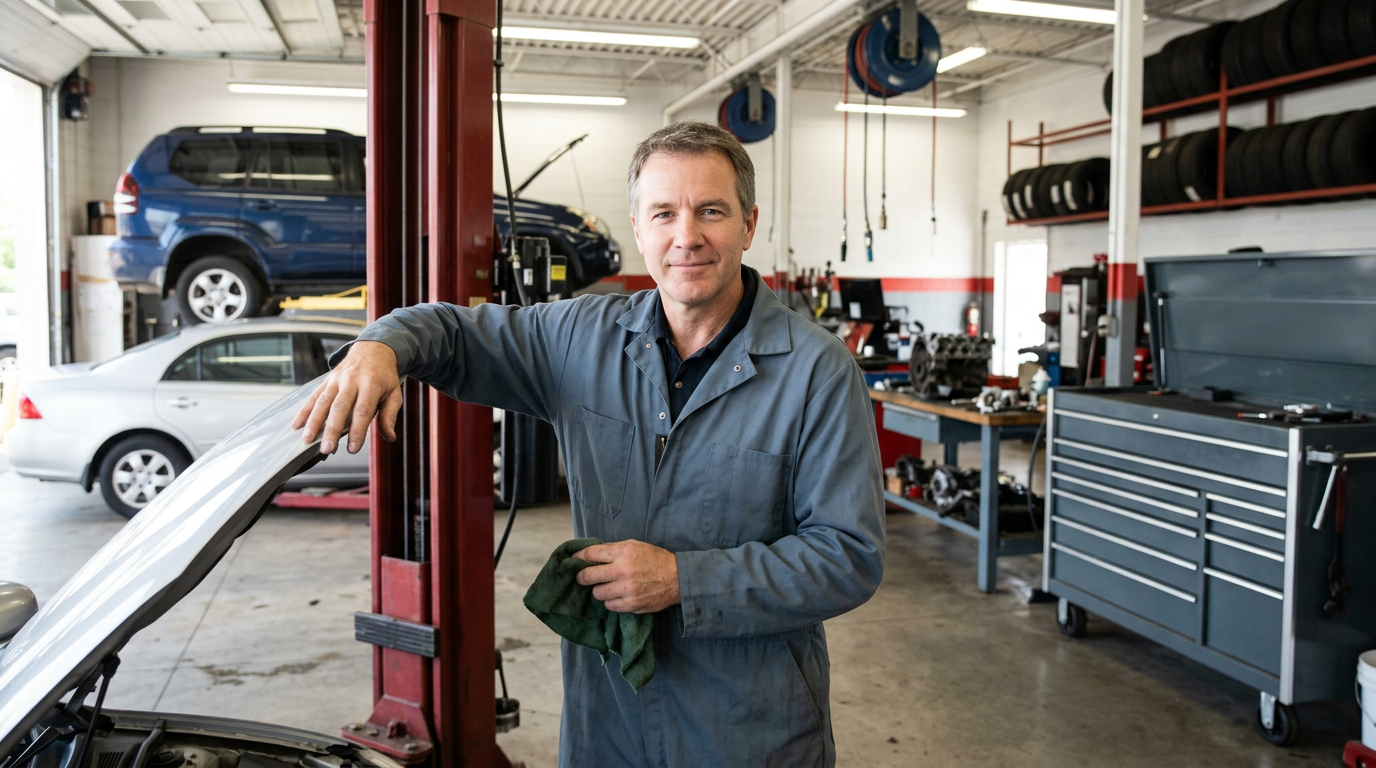
Shop owners and mechanics need capital for lifts, diagnostic equipment, parts, and growth. From daily operating needs to long-term equipment and acquisition, here are the most common uses—and how we connect you with the right product.
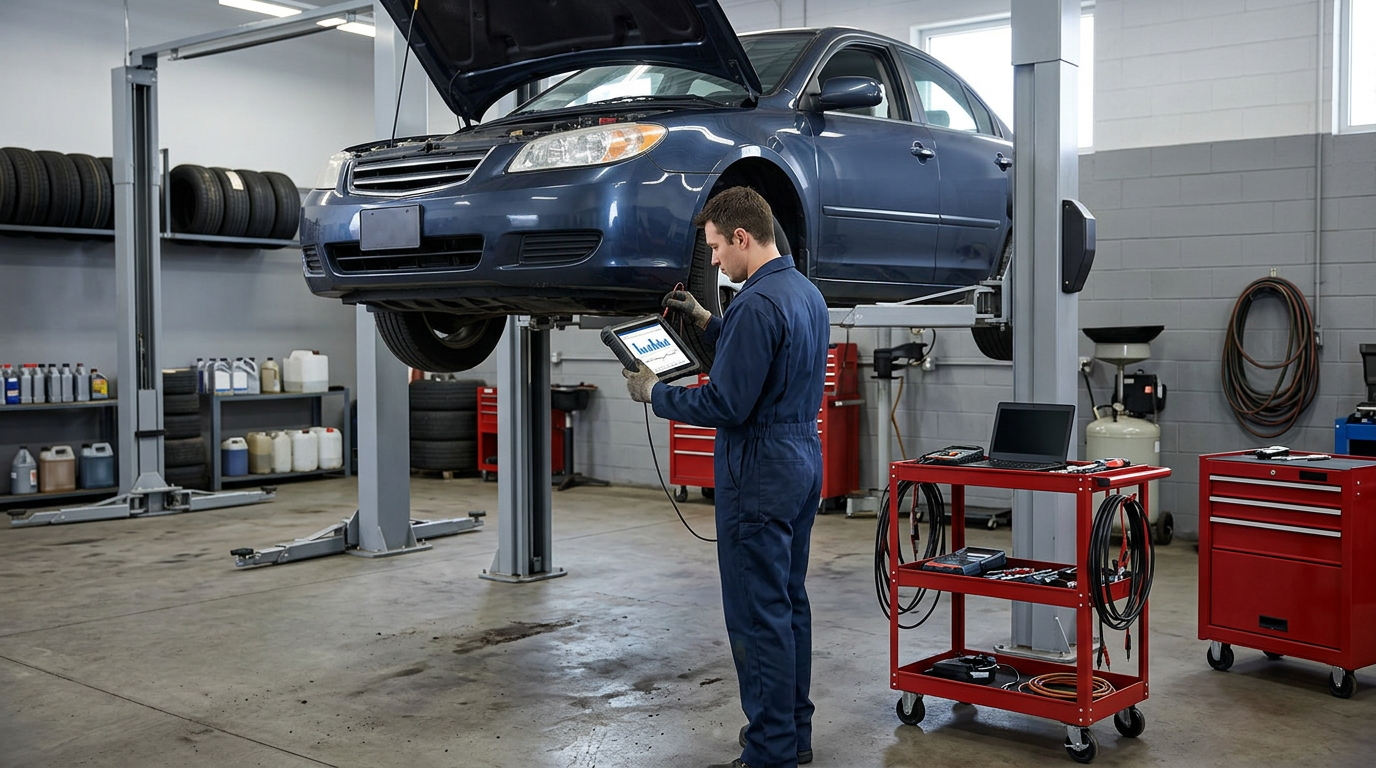
Two-post and four-post lifts, diagnostic scanners, alignment racks, tire changers, and shop tools. Equipment financing spreads the cost over the asset's useful life instead of tying up cash. Many lenders specialize in auto shop equipment and understand resale value. Typical terms 36-84 months. Browse equipment by type.
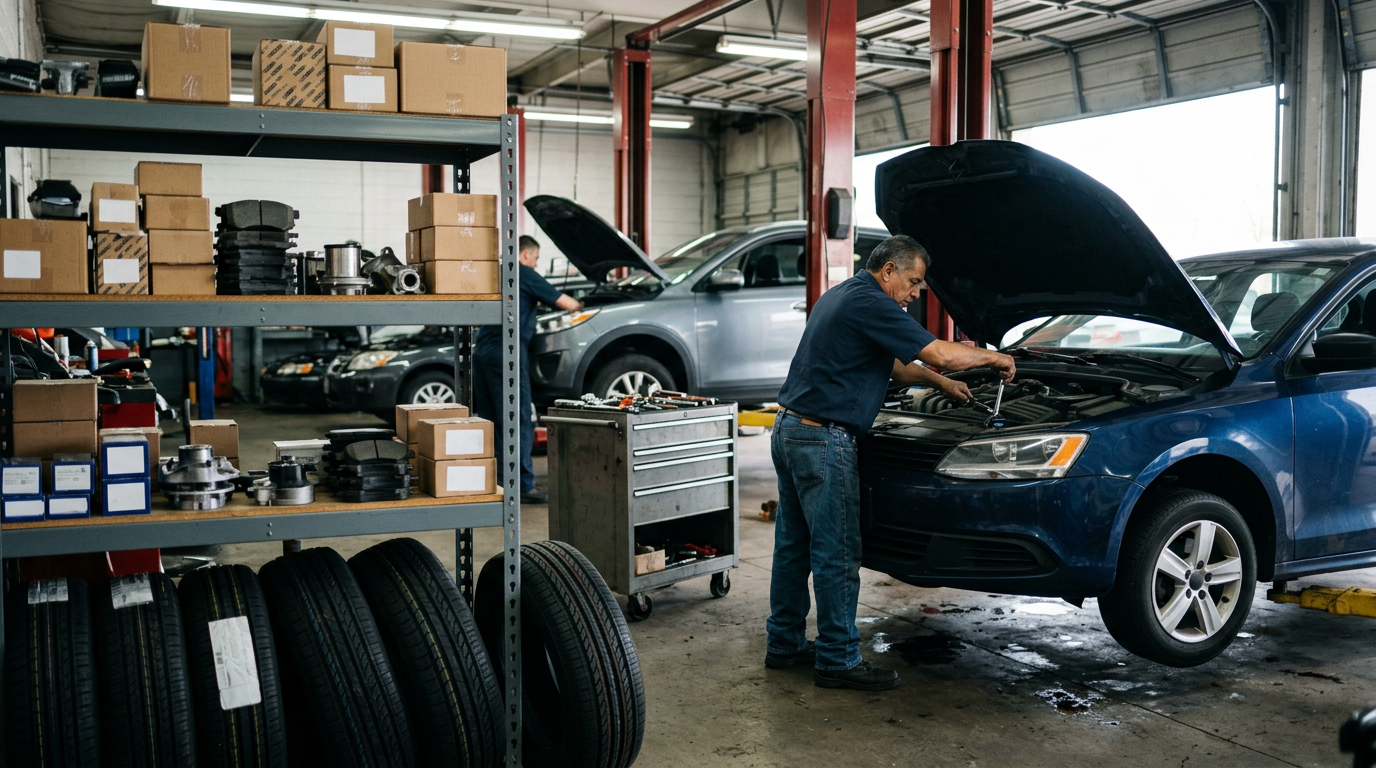
Payroll, parts inventory, rent, and utilities when invoice payments lag or seasonal demand shifts. Working capital loans bridge the gap between repair costs and customer payments—or between adding bays and revenue. Terms can align with your repair order cycles. Essential when ramping up capacity or managing cash flow between jobs. Explore auto shop working capital.
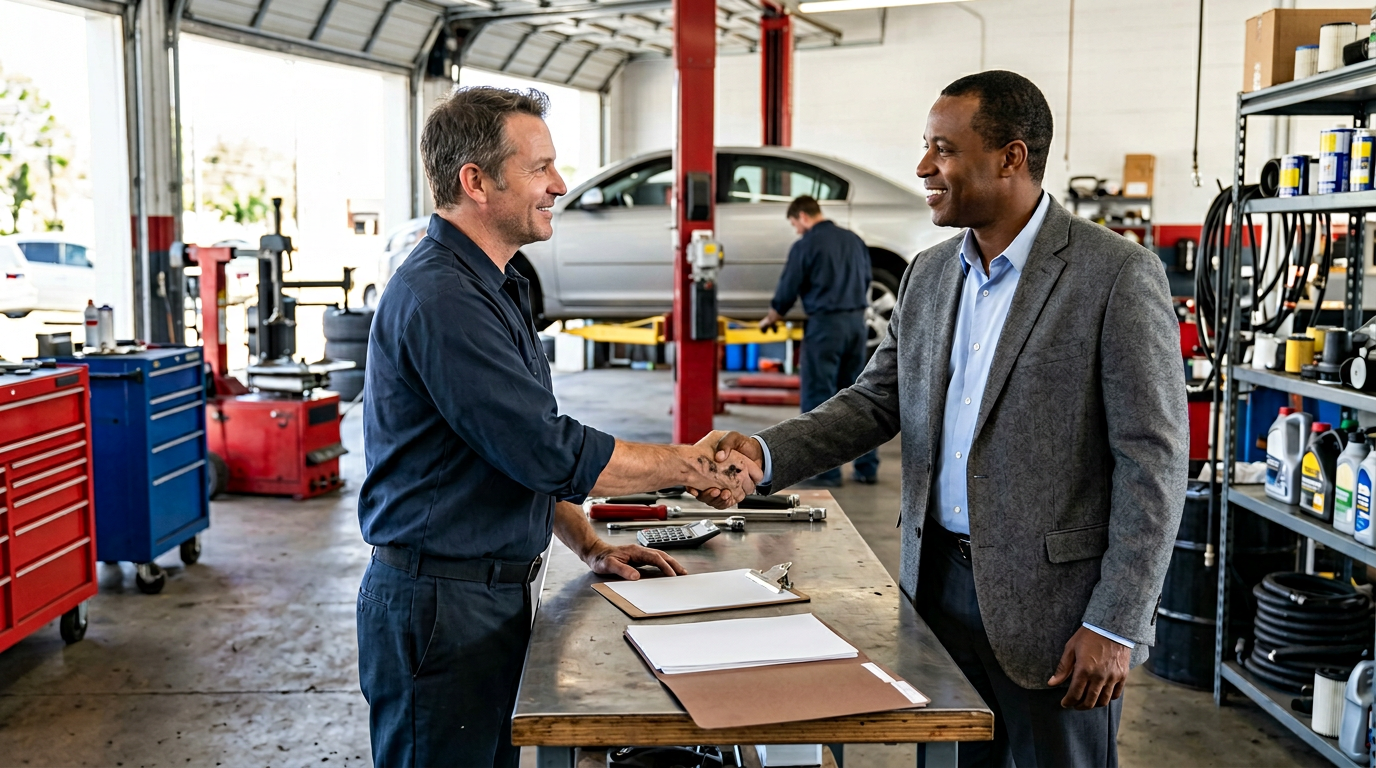
SBA 7(a) and 504 loans for shop acquisition, equipment, real estate, and working capital. Lower down payments (10% for 504 real estate), longer terms (10-25 years), competitive rates. Use 7(a) for flexibility; 504 for owner-occupied shop and bays. Plan for 30-60+ days. View SBA loans for auto repair.
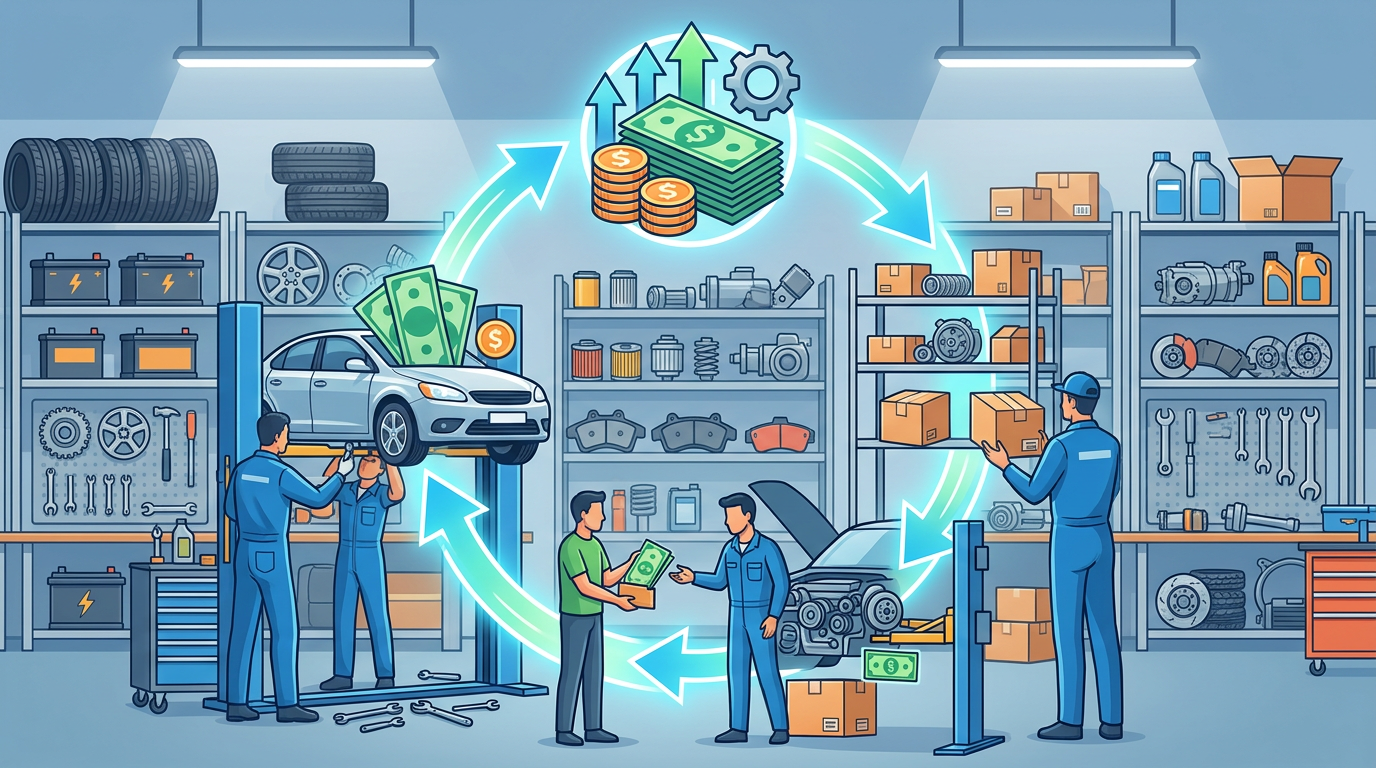
Revolving credit for parts, payroll, and slow periods. Draw when large repair jobs require parts upfront; repay as repair orders pay. Ideal for invoice-based cash flow and variable revenue. Many shop owners use a line alongside equipment and SBA financing. Explore auto shop line of credit.
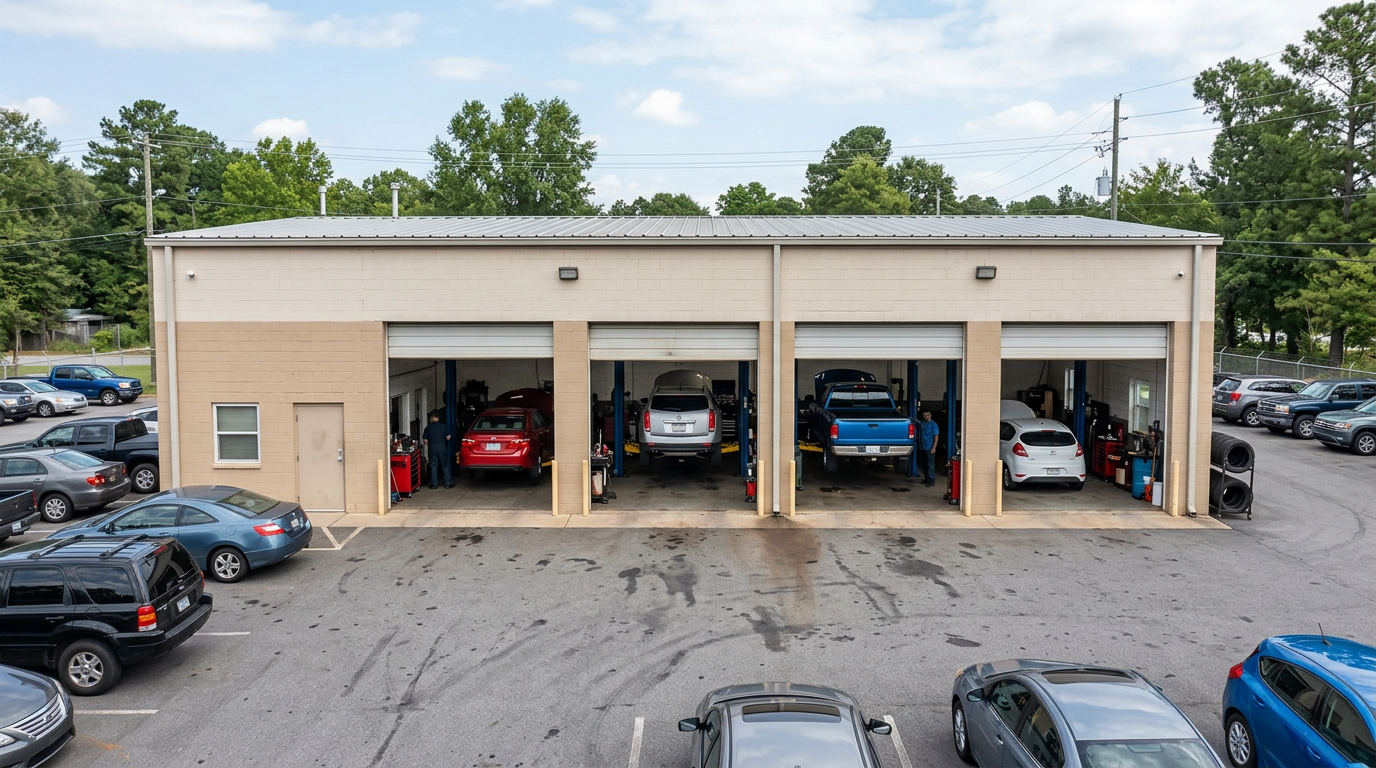
Purchase or refinance your shop building, bays, or lot. SBA 504 and conventional mortgages build equity while freeing capital for equipment and operations. Owner-occupied property often qualifies for favorable terms. Stop leasing; build equity instead. Explore auto shop real estate.

Buy another shop, acquire a location, or purchase an existing repair business. SBA 7(a) loans finance acquisitions—often with as little as 10% down. Seller financing and thorough documentation improve approval odds. Grow through acquisition when organic growth isn't enough. SBA acquisition financing.
Auto repair financing sizes vary by product, use of funds, and business profile. Here are representative ranges we see across the U.S.:
Your actual amount depends on revenue, credit, repair mix, bay count, and lender. Use our financing calculator to estimate monthly payments. Apply now to get matched with programs for your situation.

Auto repair–specific financing offers advantages that generic business loans often cannot match. Here's why shop owners nationwide turn to specialized lenders:
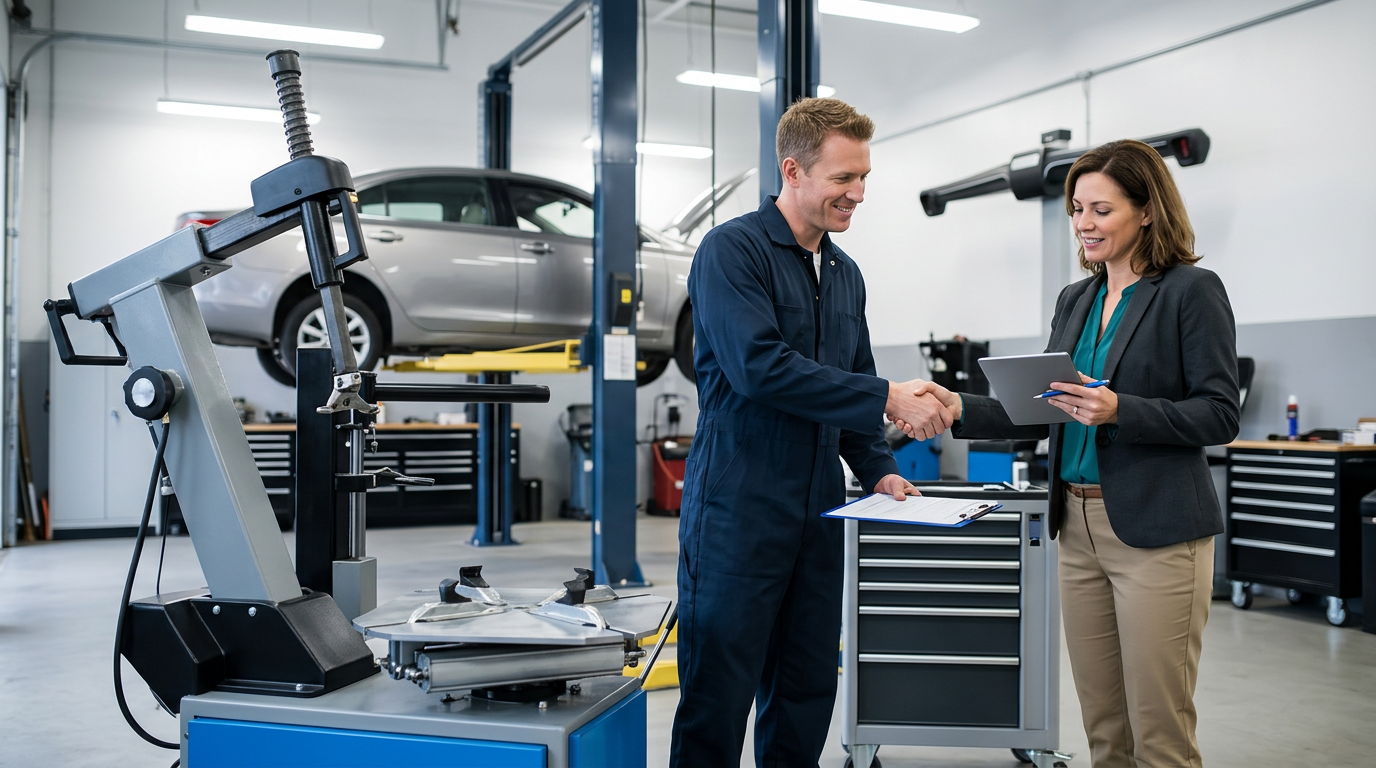
Equipment financing often receives decisions in 24-48 hours. When you need a lift for a new bay or diagnostic tools to service newer vehicles, you can't wait 60 days. Working capital and lines of credit can fund in days to a few weeks. SBA takes longer but offers terms others can't match.

Spread equipment costs over 36-84 months instead of one lump sum. Keep cash for parts, payroll, and unexpected repairs. Working capital loans bridge invoice gaps without depleting reserves. Match financing structure to your cash flow—not the other way around.
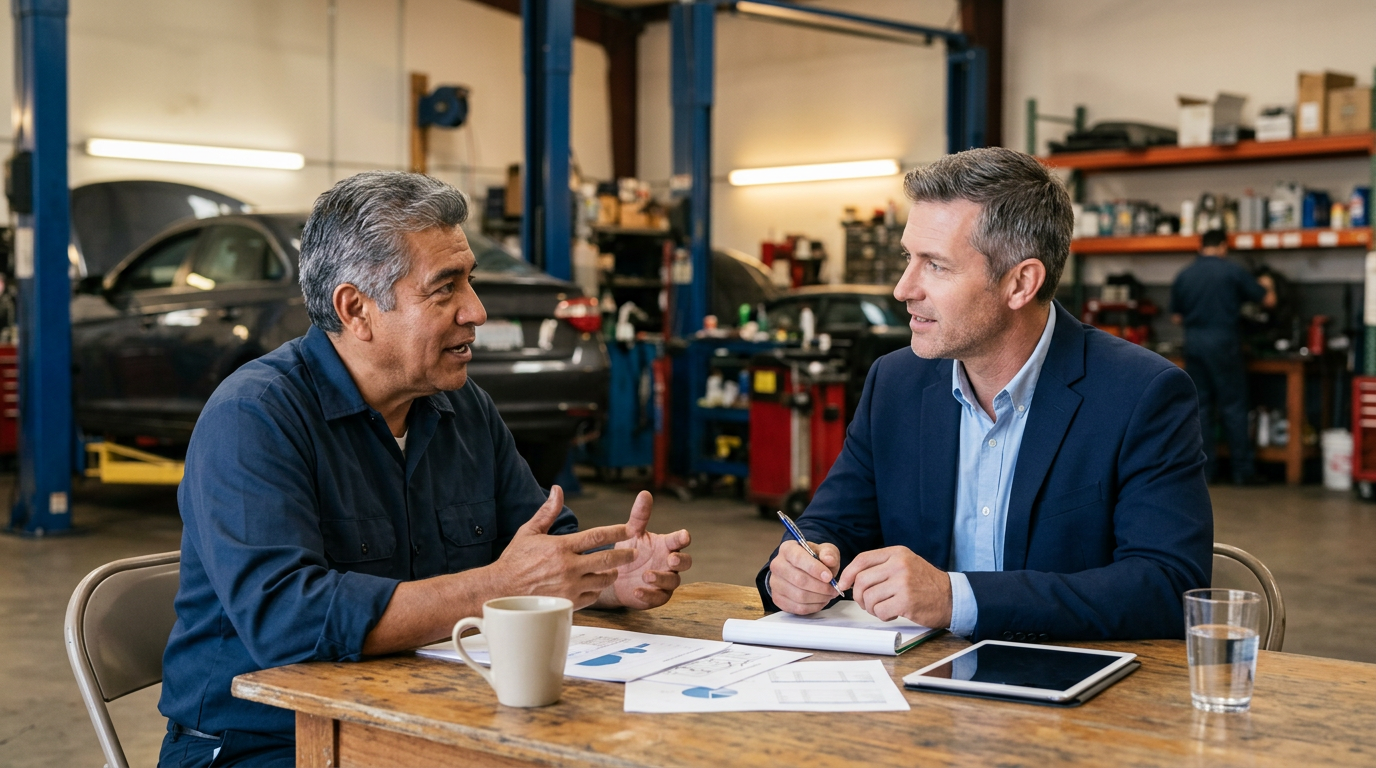
Auto repair lenders evaluate repair mix, bay utilization, equipment value, and technician experience—not just financials. They structure loans around equipment useful life and invoice cycles. Terms that fit how you actually operate.

Equipment today, working capital for parts and payroll, SBA real estate when you're ready to own. Many shop owners use a mix. We connect you with lenders who offer the full suite—so you're not juggling five different banks for five different needs.
We connect you with lenders who offer equipment financing, SBA loans, working capital, and lines of credit. Understanding the options helps you choose the right fit—and we guide you through that decision.
Axiant Partners connects you with auto repair lenders and guides you from application to funding.
Tell us about your shop, equipment needs, use of funds, and timeline. One application goes to multiple auto repair lender partners. We determine whether equipment, working capital, SBA, or a combination fits best.
Our team analyzes your profile and identifies lenders whose programs align with your needs. Equipment-only? Working capital for parts? SBA for shop acquisition? We connect you with the right programs.
Equipment financing often requires minimal docs—application, bank statements, equipment quote. SBA and larger working capital need more. We tell you exactly what's needed and keep the process moving. Equipment decisions in 24-48 hours; SBA 30-60+ days.
Once approved, funds disburse per your loan type. Equipment financing—lender pays vendor or you. Working capital—deposited to your account. SBA—per closing docs. You're funded and ready to add bays, expand, or acquire.
Equipment financing: 24-48 hours. Working capital: days to weeks. SBA: 30-60+ days. Apply now to get started.
Auto repair shops frequently finance lifts, diagnostic tools, and specialty equipment. Below are common types, typical cost ranges, and why shops finance them. Lenders who specialize in auto shop equipment understand depreciation, resale value, and useful life—often resulting in better terms and faster decisions.
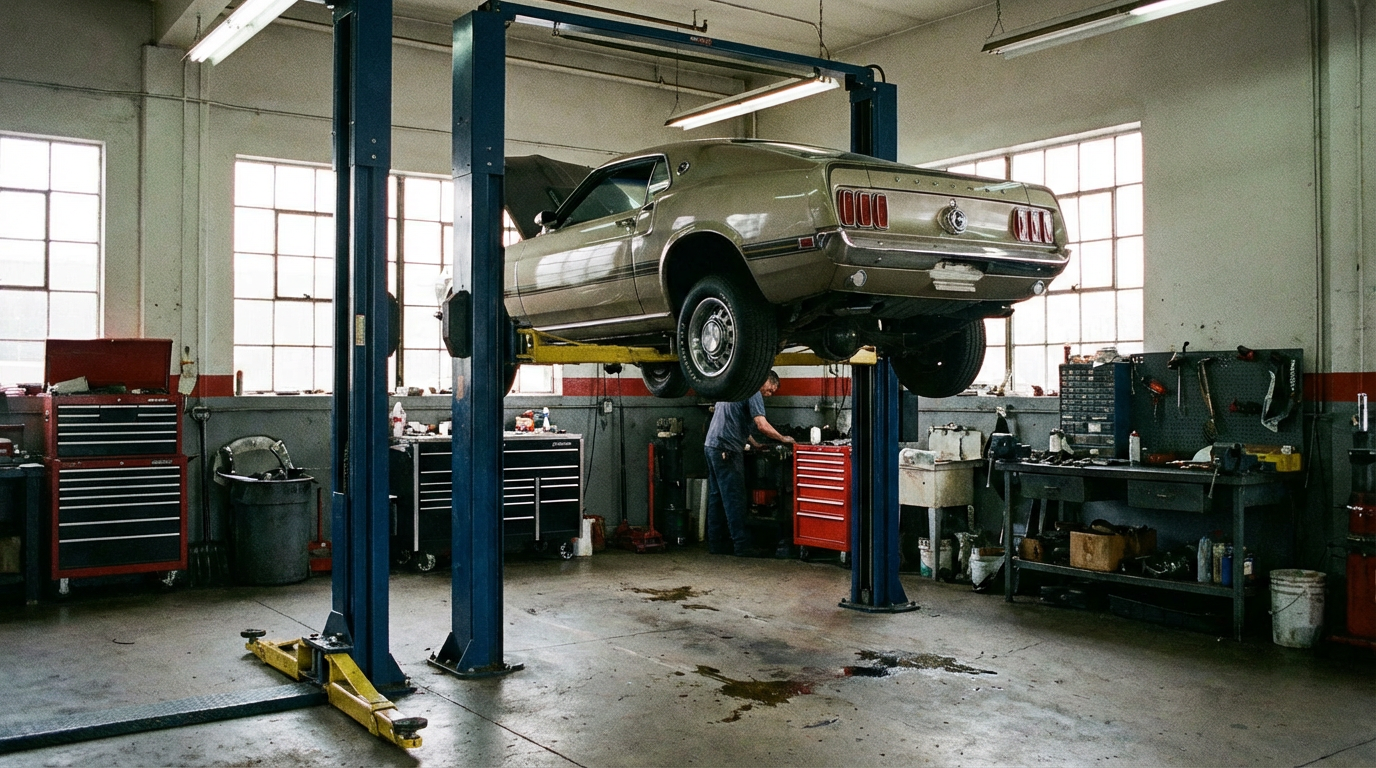
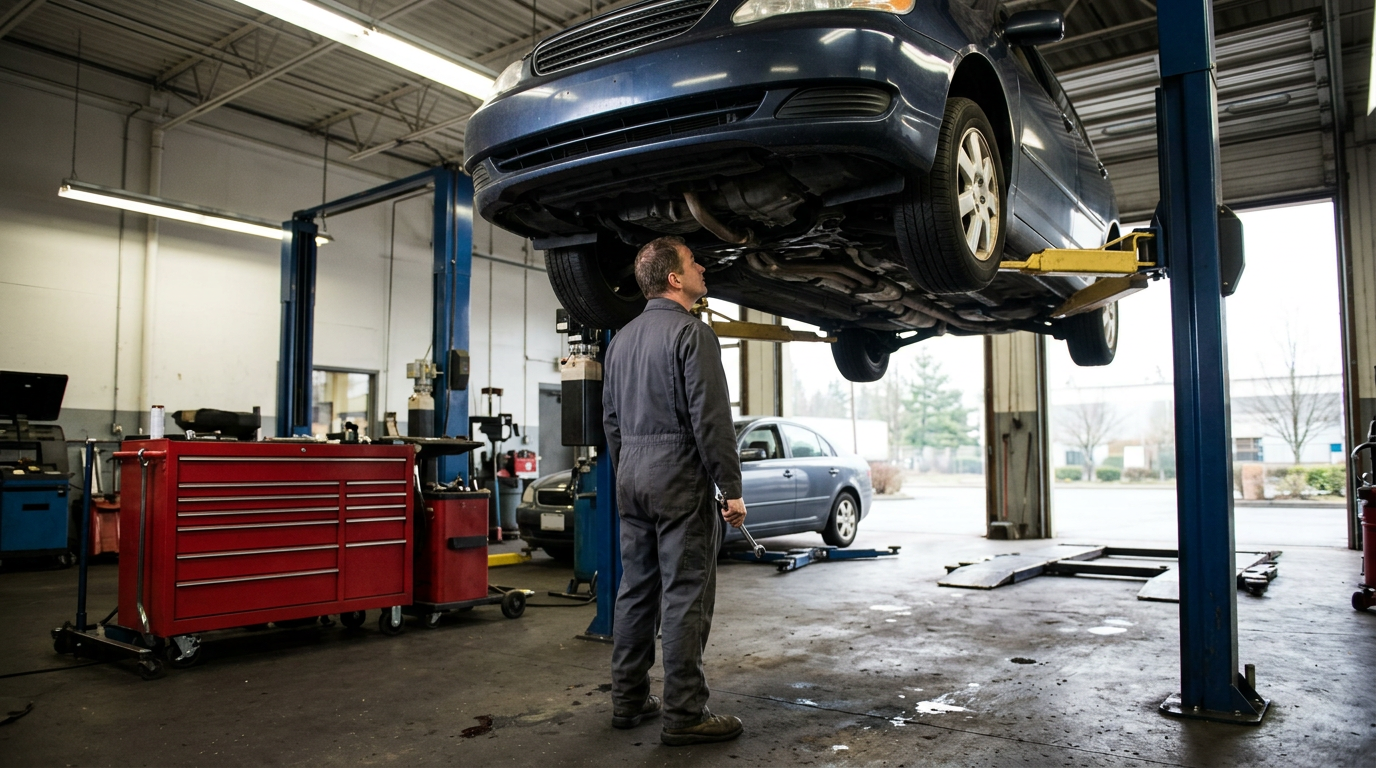
Two-post and four-post lifts are essential for undercarriage work, oil changes, and tire service. Lifts typically cost $3,000–$25,000 or more depending on capacity and type. Financing helps shops add bays or replace aging equipment.
How to finance an auto lift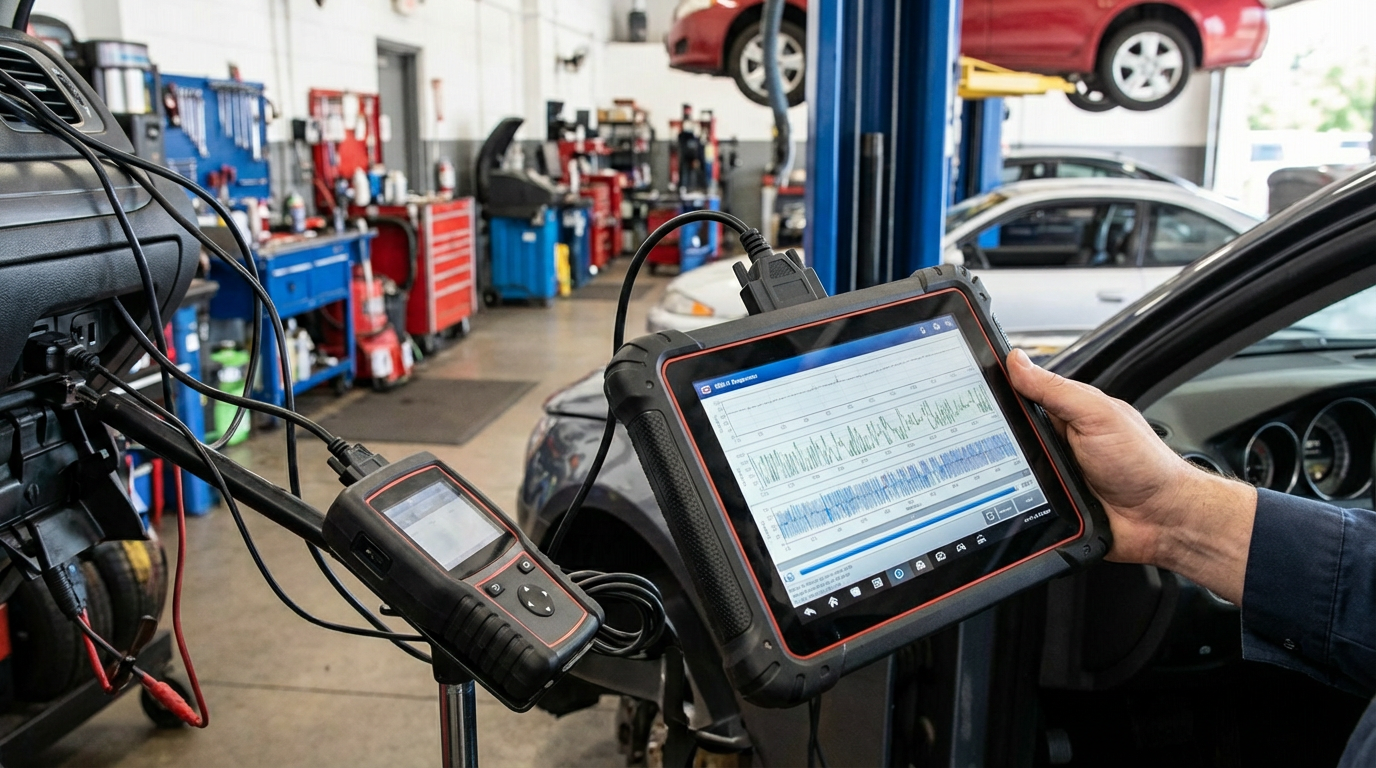
OBD scanners, oscilloscopes, and advanced diagnostic tools identify engine, transmission, and electrical issues. Diagnostic equipment typically costs $2,000–$30,000 or more. Financing helps shops add diagnostic capabilities and service newer vehicles.
How to finance diagnostic equipment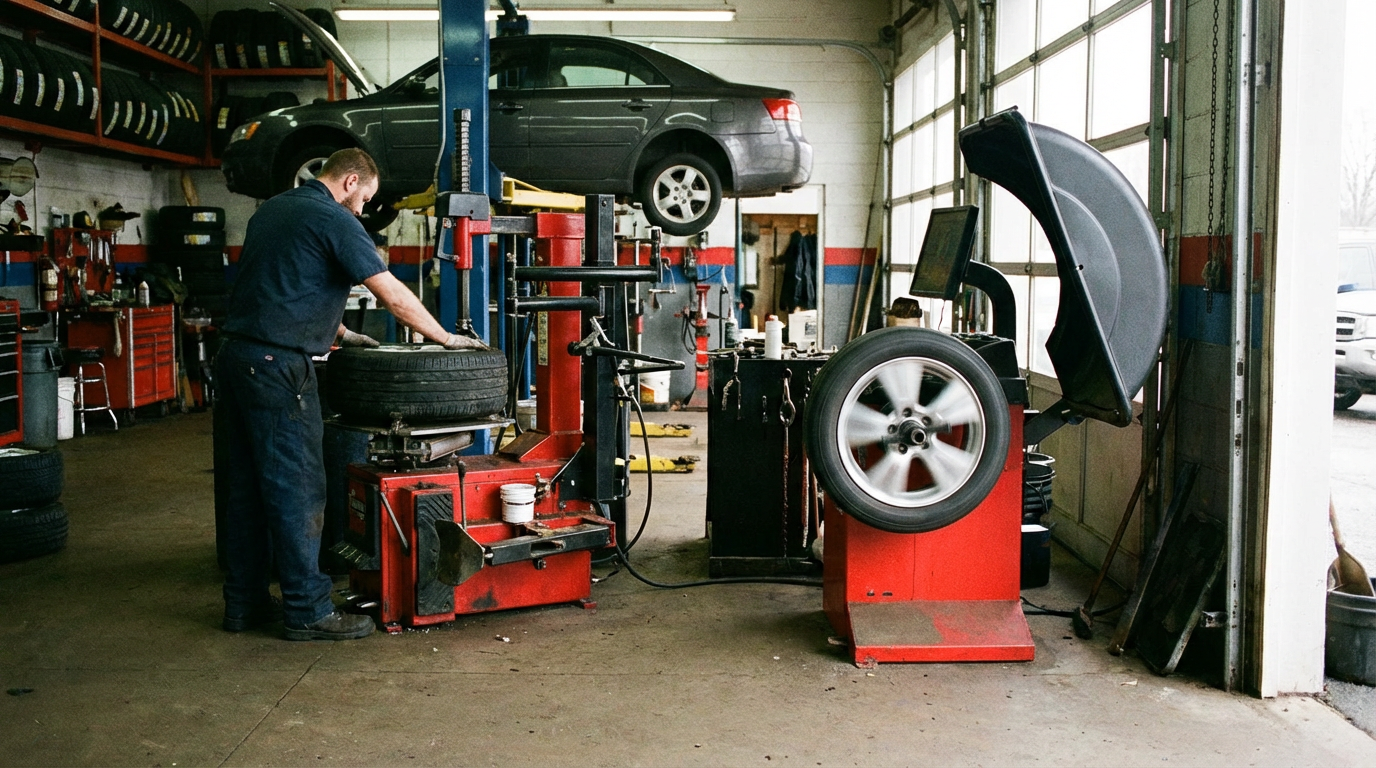
Tire changers and wheel balancers support tire service and rotations. Equipment typically costs $3,000–$15,000 or more depending on capability. Financing helps shops add tire services or replace worn units.
How to finance tire equipment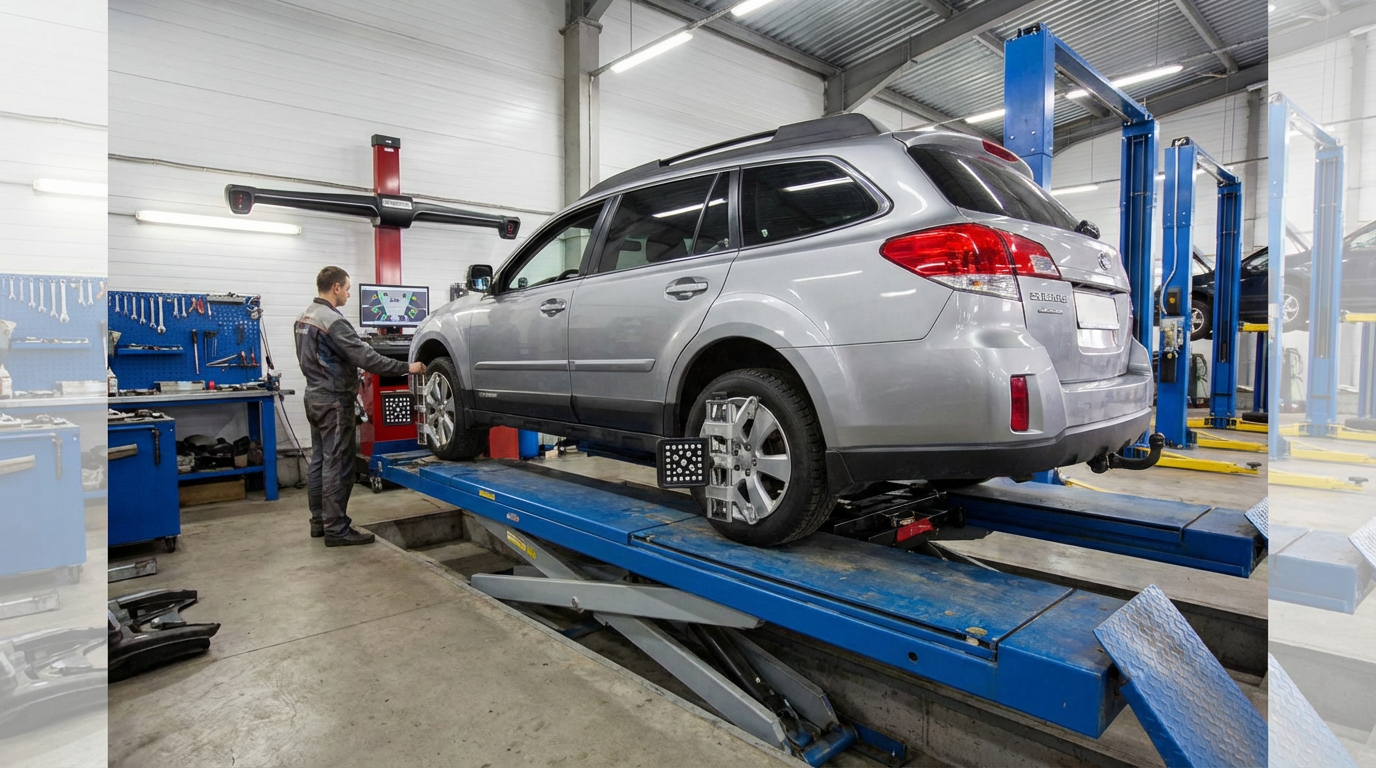
Wheel alignment systems ensure proper suspension and tire wear. Alignment racks typically cost $15,000–$80,000 or more depending on features. Financing helps shops add alignment services and capture additional revenue.
How to finance an alignment rack
Brake lathes, disc grinders, and brake service tools support brake repair and resurfacing. Equipment typically costs $2,000–$20,000 or more. Financing helps shops add brake services or upgrade to professional-grade equipment.
How to finance brake equipment
Tool chests, air compressors, specialty wrenches, and shop storage support daily operations. Tool packages and storage can cost $5,000–$50,000 or more. Financing helps shops outfit new bays or upgrade tools for efficiency.
How to finance shop tools and storageWhen you need a lift for a new bay, diagnostic tools to service EVs and newer vehicles, or an alignment rack to add revenue streams, you can't wait months. Auto repair equipment financing delivers decisions in 24-48 hours for many applications. Lenders who specialize in shop equipment understand your industry—they evaluate the asset, your repair mix, and bay utilization. New or used, single unit or multi-bay package, equipment financing preserves cash and matches payments to the equipment's productive life. Whether you run general repair, specialty, or franchise, we connect you with lenders who finance the equipment you need. See our full equipment financing overview or apply now to get matched.
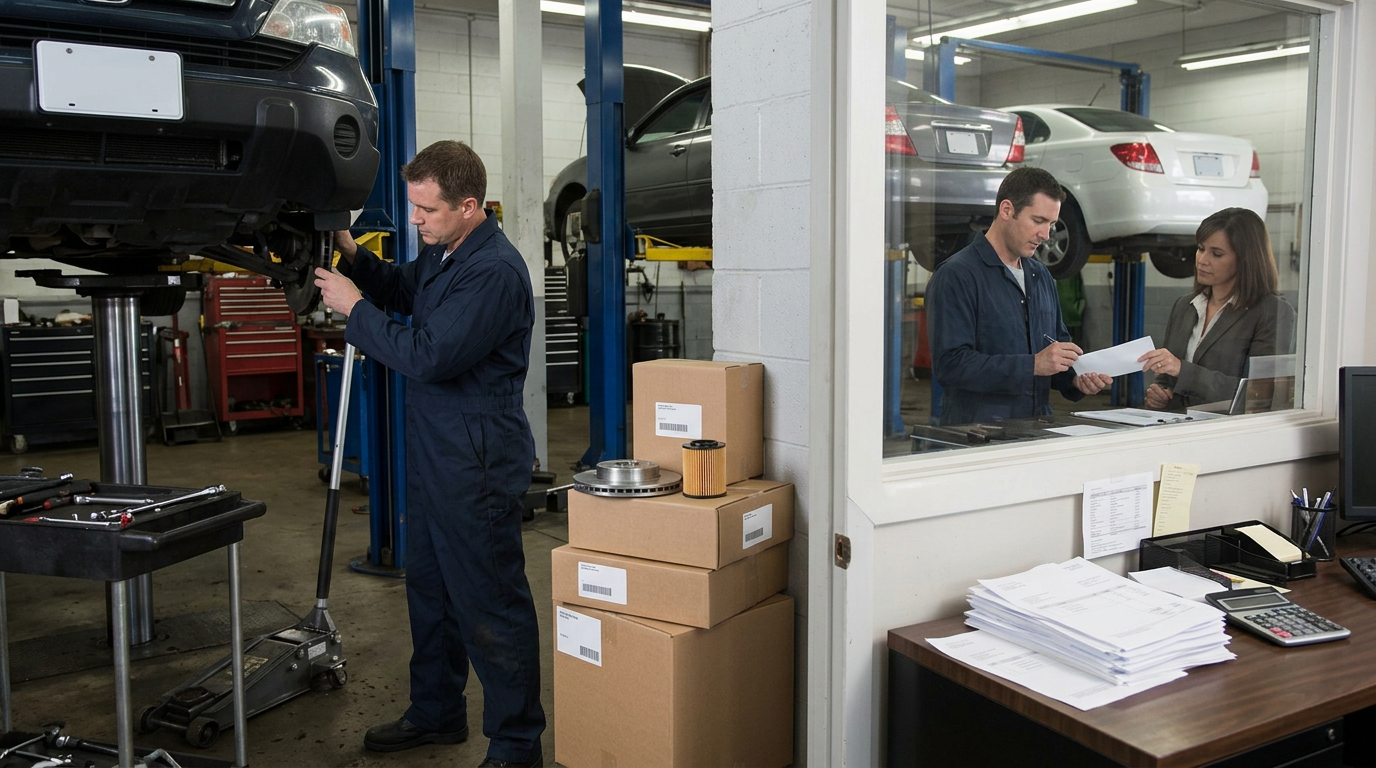
Auto repair revenue follows repair orders—you incur parts and labor costs, then get paid when customers settle. The lag between completing work and receiving payment creates cash flow gaps. Working capital loans bridge that gap. Cover technician payroll during slow periods, stock parts for large jobs, pay rent when invoice payments lag. Terms can align with your repair order cycles, so you're not stuck with a 12-month loan when cash flow is invoice-based. Shop owners use working capital to add bays, manage seasonal demand, and smooth cash flow between jobs. If you're tired of juggling payables while waiting on customer payments, working capital financing can change the equation. Explore auto shop working capital or apply to see your options.
Requirements vary by product and lender. Here's what most auto repair lenders consider:
Strong operations with clear use of funds and solid documentation typically qualify for favorable terms. Challenged credit? Options exist—terms may differ. Apply now and we'll match you with lenders whose criteria fit your profile.
We focus on connecting shop owners with the right lenders and moving your application forward efficiently.
One application, multiple options, support at each stage. Apply now to get started.
Auto repair shops can access equipment financing for lifts, diagnostic scanners, alignment racks, and shop tools; SBA 7(a) and 504 loans for real estate, bay expansion, and acquisition; working capital loans for payroll and parts inventory; and lines of credit for parts and payroll. Amounts typically range from $15,000 to $5,000,000 depending on use and business profile. Apply to see what you qualify for.
Equipment financing often receives decisions within 24-48 hours. SBA loans typically take 30-60+ days. Working capital and lines of credit can fund in days to a few weeks depending on lender and documentation. Need a lift for a new bay? Equipment financing is usually the answer.
Yes. Many lenders finance both new and used lifts, diagnostic equipment, and shop tools. Used equipment may have shorter terms (36-60 months) and rates based on age and condition. Safety certification may affect eligibility. See our guide to used equipment financing.
Equipment financing programs often accept 550+ FICO. SBA loans typically favor 650-680+ credit. Working capital and lines of credit vary by lender. Strong credit improves terms; options exist for challenged credit with different structures. Apply and we'll match you with lenders that fit your profile.
Shop owners use working capital to cover payroll, parts inventory, rent, and utilities when invoice payments lag or seasonal demand shifts. Terms can align with repair order cycles. Essential when adding bays or managing cash flow between jobs. Invoice-based revenue makes working capital crucial for many shops.
Yes. SBA 7(a) and 504 loans finance lifts, diagnostic equipment, and shop buildouts. 7(a) is flexible; 504 suits real estate and long-lived assets. Approval typically 30-60 days. If you need equipment faster, equipment-only financing often funds in 24-48 hours. Compare SBA vs equipment financing.
Explore our most popular articles on auto repair and equipment financing. For equipment-specific guides by type, see Equipment by Type. For all articles, see Equipment Financing Articles.
Costs, credit requirements, new vs used, and approval process for lift financing. Step-by-step guide for auto repair shops.
Read moreCredit requirements for equipment loans and leases. Programs for 550+, 600+, 700+ FICO. Improve approval odds.
Read moreYes. Guide to used equipment financing—terms, rates, age limits, and what lenders evaluate for pre-owned lifts and diagnostic tools.
Read moreCosts, terms, and approval process for OBD scanners and diagnostic tools. Essential for servicing newer and EV vehicles.
Read moreWe also provide financing for trucking (fleet maintenance) and logistics businesses. View all industries.
Auto repair shops need financing that fits repair cycles and cash flow. Axiant Partners connects shop owners with lenders that offer equipment loans, working capital, SBA loans, and more. Submit your information once and we match you with programs suited to your business profile.