Conveyor Systems Financing: Equipment Loans, Leases & SBA
Conveyor systems cost $10,000–$200,000+ depending on length, complexity, and integration. Spread the cost with equipment financing. Decisions in 24–48 hours. Warehouses and fulfillment centers nationwide.
- Equipment financing in 24–48 hours
- Belt, roller, gravity, sortation
- Typical terms 36–84 months
- Credit 600+; 0–20% down
Conveyor Financing at a Glance
Why Conveyor Financing Makes Sense
Conveyor systems move goods through receiving, picking, packing, shipping. Simple lines $10K–$50K; mid-size $50K–$150K; large automated $200K+. Often part of larger automation. Lenders assess distribution revenue and throughput. Can be bundled with WMS, racking, forklifts. Apply now. Logistics financing.
What Are Conveyor Systems?
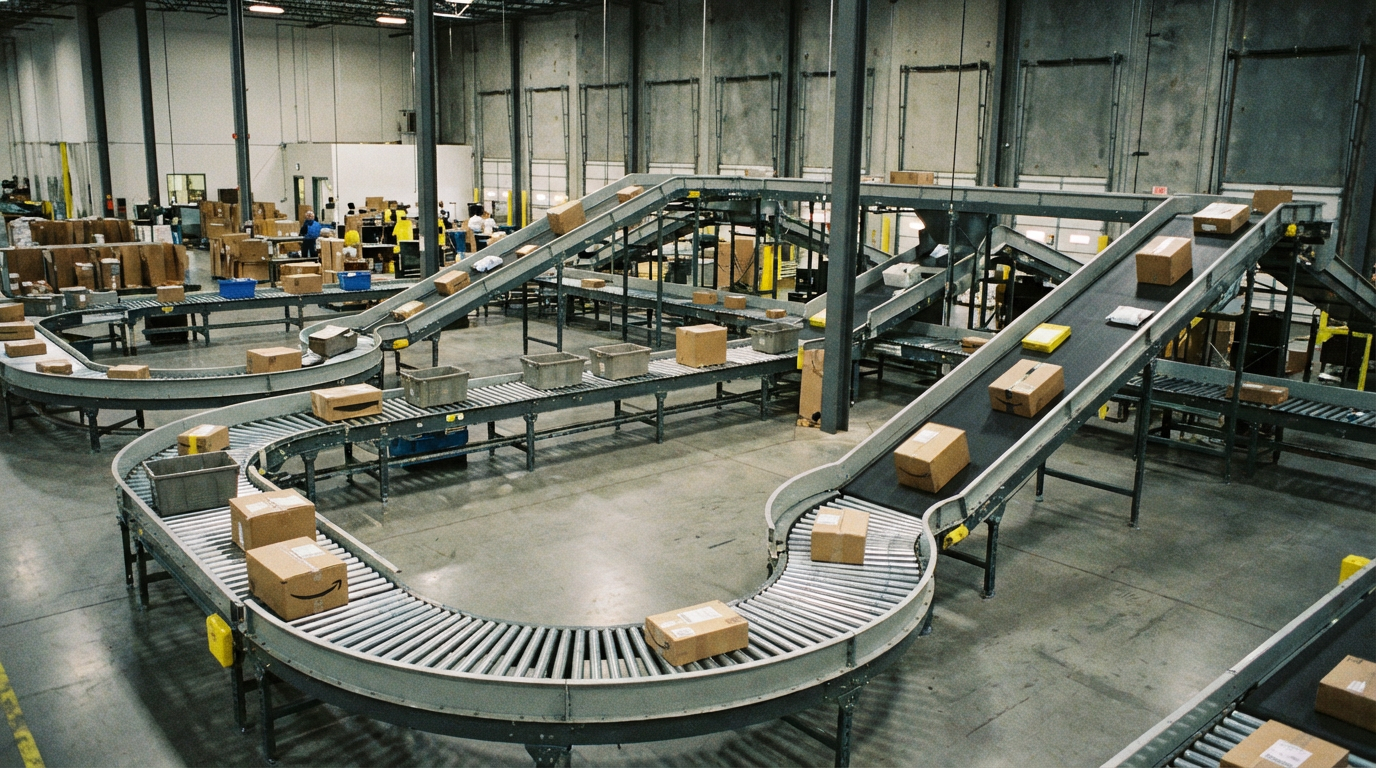
Conveyor systems are material handling equipment that moves goods through your facility automatically—from receiving docks through picking, packing, sortation, and shipping. They reduce manual labor, increase throughput, and improve order accuracy. Common types include:
- Belt conveyors — Continuous flat or troughed belts; ideal for packages, boxes, and irregular loads. Costs typically $1,200–$1,800 per linear foot installed.
- Roller conveyors — Gravity or powered rollers; best for pallets and heavy cartons. Power roller sections add cost but enable controlled movement.
- Gravity conveyors — Non-powered; economical for incline/decline flow. Often used for accumulation and staging areas.
- Sortation conveyors — Divert, merge, and route items by destination. Critical for fulfillment and distribution centers.
Leading manufacturers include Hytrol, Bastian Solutions, Dorner, Interroll, and mk North America. Integration with warehouse management systems (WMS) and forklifts is common in modern facilities.
Why Conveyor Financing Is Different
Conveyor projects differ from single-asset purchases: they are often part of larger warehouse automation initiatives. Lenders assess your distribution revenue, throughput volumes, and facility type. Many lenders specialize in logistics and warehousing and understand the ROI of conveyor investments. Used systems 3–5 years old are frequently financed; condition and throughput capacity affect terms. Projects are commonly bundled with pallet racking, dock equipment, and WMS. Approval typically 1–5 days for equipment financing; SBA or larger facility loans take 30–60+ days.
Conveyor System Costs: New vs Used
Pricing depends heavily on length, complexity, and integration. Belt conveyor projects often run $1,200–$1,800 per linear foot installed, with costs varying by duty rating, controls, and materials. Typical project ranges:
- Basic portable or short conveyor lines: $10,000–$50,000. Single lines for receiving, packing, or shipping.
- Mid-size systems: $50,000–$150,000. Multiple zones, basic sortation, integration with existing layout.
- Large automated systems: $150,000–$400,000+. Full sortation, WMS integration, high-throughput fulfillment.
Used conveyor systems typically cost 25–40% less. Many lenders finance used equipment when condition and throughput are documented. A detailed quote from your conveyor integrator—including layout, specifications, and labor—strengthens your financing application. Use our financing calculator to estimate monthly payments.
Industry Applications and ROI
Conveyors are essential in e-commerce fulfillment, distribution centers, manufacturing, and food and beverage. Benefits include higher throughput, reduced labor costs, fewer errors, and improved worker safety. The U.S. material handling equipment leasing and financing market is projected to grow significantly through 2034, reflecting strong demand for warehouse automation. Financing conveyor systems allows you to spread the cost while capturing ROI from day one—without tying up capital needed for inventory, payroll, and operations.
Tax Benefits: Section 179 and Depreciation
Conveyor systems qualify for Section 179 and bonus depreciation. Section 179 allows you to deduct the full purchase price in the year of purchase, subject to limits (e.g., up to $1.25 million in 2026). Bonus depreciation provides additional first-year deductions. Lease payments are typically fully deductible as operating expenses. Consult your CPA for your specific situation; tax benefits can significantly reduce the net cost of conveyor financing.
Financing Options

How Much Do Conveyors Cost?
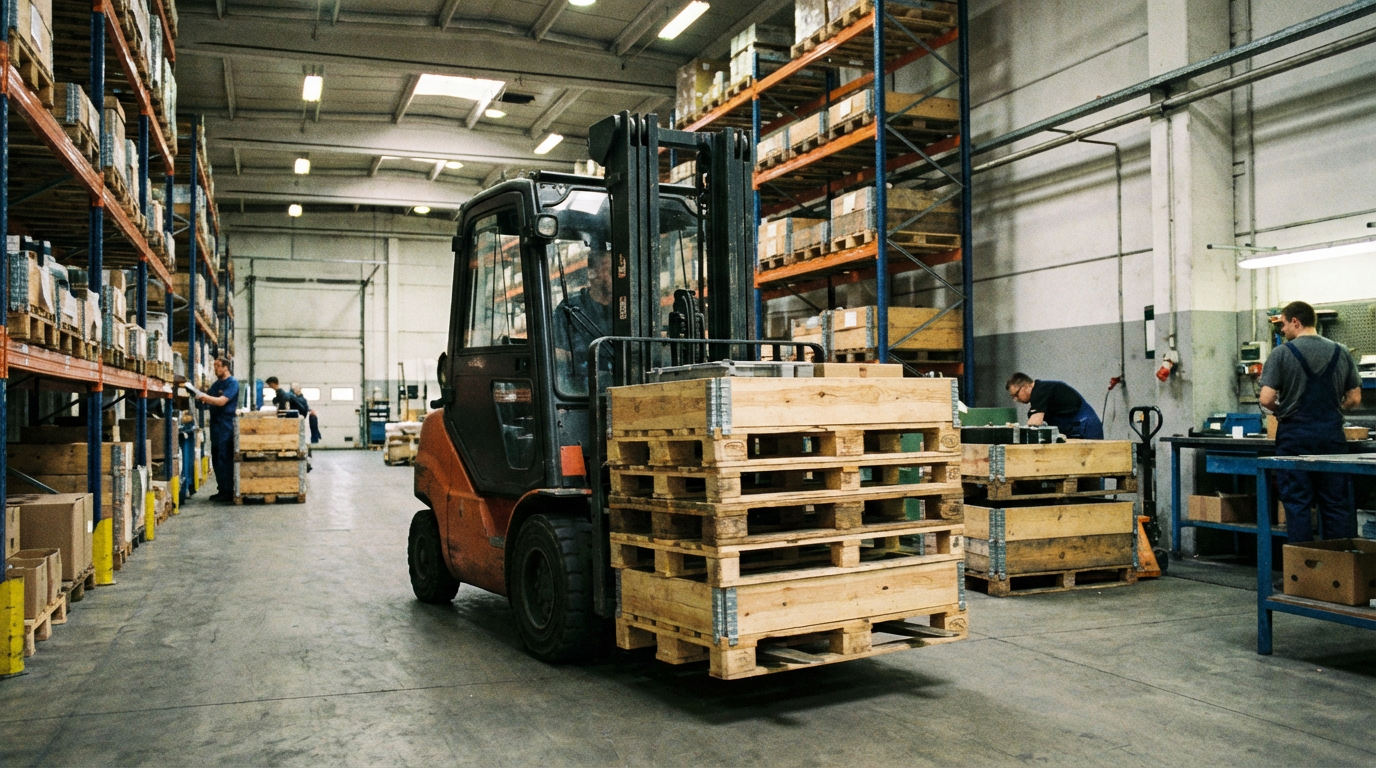
Simple lines $10K–$50K. Mid-size systems $50K–$150K. Large automated installations $150K–$400K+. Used systems typically 25–40% less. Belt conveyor costs often run $1,500 per linear foot installed. Many lenders finance used equipment when condition and throughput are documented. Use our calculator to estimate monthly payments.

Rates and Monthly Payments
Interest rates typically range 6–15% depending on credit, term, and equipment type. Terms of 36–84 months are common; larger projects may qualify for longer terms. Example: a $100,000 conveyor system at 8% over 60 months ≈ $2,028/month. Use our financing calculator for your scenario. Some lenders offer deferred payments for 1–3 months to ease cash flow during installation.
Requirements to Finance Conveyor Systems
What to Have Ready
Gather 3–6 months of bank statements, tax returns, P&L, and a detailed quote from your conveyor integrator. Include layout, specifications, and labor if applicable. Business formation documents and proof of insurance may be required. The more complete your application, the faster the approval.
When to Apply
Apply when you have a clear need, written quote, and financials ready. Start the process before you need the equipment—installation and delivery can take weeks. Axiant Partners submits to multiple lenders; you get offers in 24–48 hours.
Tips to Get Approved
- Provide a detailed, itemized quote from a reputable conveyor integrator.
- Improve credit before applying; 680+ unlocks better rates.
- Bundle conveyor with other warehouse equipment (forklifts, racking) for larger deals that may secure better terms.
- Work with a broker like Axiant Partners to access multiple lenders with one application.
Common Mistakes to Avoid
- Skipping the quote: Lenders need a written quote to approve financing.
- Incomplete financials: Missing bank statements or tax returns delays review.
- Focusing on rate alone: Consider term, down payment, and flexibility.
- Waiting until the last minute: Allow time for approval and installation. Red flags in equipment finance agreements.
Why Finance vs Pay Cash
Financing preserves working capital for inventory, payroll, and expansion. Conveyor systems qualify for Section 179 and bonus depreciation, reducing your tax burden. Lease structures often allow upgrades at term end as technology evolves. For large projects, spreading cost over 5–7 years aligns payments with the revenue the system generates.
Choosing the Right Conveyor Systems for Your Operation
Before applying for Conveyor Systems financing, clarify your needs: capacity, throughput, and how the equipment fits your workflow. Get written quotes from reputable dealers or integrators. Compare new vs used—many lenders finance used equipment when condition is documented. Consider bundling with related equipment for larger deals that may secure better terms. Plan for installation lead times and training. Use our financing calculator to estimate payments.
Application Checklist for Conveyor Systems Financing
Gather these before applying: 3–6 months of business bank statements; prior-year tax returns; current-year P&L; a detailed equipment quote with specs and pricing; business formation documents (LLC, Corp); and proof of time in business. Multi-location or franchise operations may need additional documentation. Complete applications receive faster decisions—typically 24–48 hours for equipment financing. What lenders look at.
Tax Benefits: Section 179 and Bonus Depreciation
Conveyor Systems typically qualifies for Section 179 (deduct full purchase price in year of purchase, subject to limits) and bonus depreciation. Lease payments are usually fully deductible as operating expenses. These benefits can significantly reduce the net cost of financing—consult your CPA for your situation.
Process
Quote & Apply
One application.
We Match
Programs fit.
Review
24–48 hr.
Funding
Sign. Take possession.
Related Logistics Equipment

Conveyor Financing FAQ
Can you finance used conveyor systems?
Yes. Many lenders finance used conveyors 3–5 years old when condition and throughput are documented. Shorter terms may apply.
Does belt vs roller affect financing?
Lenders focus on total project cost and application. Belt and roller conveyors are both commonly financed.
How long does approval take?
1–5 business days for equipment loans and leases. SBA or facility loans 30–60+ days. A detailed quote speeds the process.
Is leasing better than buying conveyor systems?
Leasing preserves capital and may ease upgrades as technology changes. Buying builds equity for long-term use. Compare both based on your cash flow and growth plans.
More Resources
Ready to Finance Conveyor Systems?
24–48 hour review. We match warehouses with lenders for conveyor and warehouse automation financing.
Get Matched